Table of Contents
Key Takeaways
- Marvel Phase 5 and 6 run through 2027, culminating in two Avengers films.
- DC's Chapter 1: Gods and Monsters reboots the universe with Superman: Legacy leading the slate.
- Deadpool and Wolverine marks the first R-rated MCU film and connects Fox's X-Men universe to Marvel Studios.
- The DCU reboot retains select elements from the DCEU while recasting major roles.
- Both studios face evolving theatrical distribution models and shifting release dates.
Key Takeaways
- Marvel Phase 5 and 6 run through 2027, culminating in two Avengers films.
- DC's Chapter 1: Gods and Monsters reboots the universe with Superman: Legacy leading the slate.
- Deadpool and Wolverine marks the first R-rated MCU film and connects Fox's X-Men universe to Marvel Studios.
- The DCU reboot retains select elements from the DCEU while recasting major roles.
- Both studios face evolving theatrical distribution models and shifting release dates.
Marvel Phase 5: The Current Slate
Marvel Studios Phase 5 began in early 2023 with Ant-Man and the Wasp: Quantumania and runs through mid-2026. Phase 5 introduced the multiversal threat of Kang the Conqueror while expanding the cosmic and supernatural corners of the MCU. Key releases in Phase 5 include Guardians of the Galaxy Vol. 3, The Marvels, Captain America: Brave New World, and Thunderbolts. The phase also includes Disney+ series such as Secret Invasion, Loki Season 2, Echo, and Agatha All Along.
Captain America: Brave New World marks Sam Wilson's first solo film as Captain America after receiving the shield from Steve Rogers in Avengers: Endgame. The film introduces Harrison Ford as General Thaddeus Ross (replacing the late William Hurt) and explores geopolitical tensions around adamantium discovered in the Indian Ocean following the events of Eternals. Thunderbolts assembles a team of anti-heroes including Yelena Belova, Bucky Barnes, John Walker, Alexei Shostakov, and Ava Starr, positioning them as a darker counterpart to the Avengers.
Phase 5 has faced challenges at the box office, with The Marvels becoming the lowest-grossing MCU film with $206 million worldwide. Marvel Studios president Kevin Feige has acknowledged the need for quality control and announced a reduced release schedule, cutting from four films per year to two or three while focusing on stronger scripts and post-production polish. The studio is also incorporating more street-level and character-driven stories alongside the multiversal narrative.
Marvel Phase 6: The Multiverse Saga Finale
Phase 6 of the Marvel Cinematic Universe begins with Fantastic Four, one of the most anticipated MCU projects. The film, directed by Matt Shakman, will introduce Marvel's First Family to the MCU with Pedro Pascal as Reed Richards, Vanessa Kirby as Sue Storm, Joseph Quinn as Johnny Storm, and Ebon Moss-Bachrach as Ben Grimm. Set in an alternate 1960s retro-futuristic timeline, Fantastic Four is expected to establish the foundation for the next decade of MCU storytelling.
Avengers: The Kang Dynasty and Avengers: Secret Wars serve as the two-part culmination of the Multiverse Saga, releasing in and respectively. The Kang Dynasty, directed by Destin Daniel Cretton (Shang-Chi), will see the Avengers confront Kang variants across the multiverse. Secret Wars, based on the 2015 comic event of the same name, is expected to bring together characters from across Marvel's film history, including potential appearances from legacy characters from Fox's X-Men films and previous Spider-Man iterations.
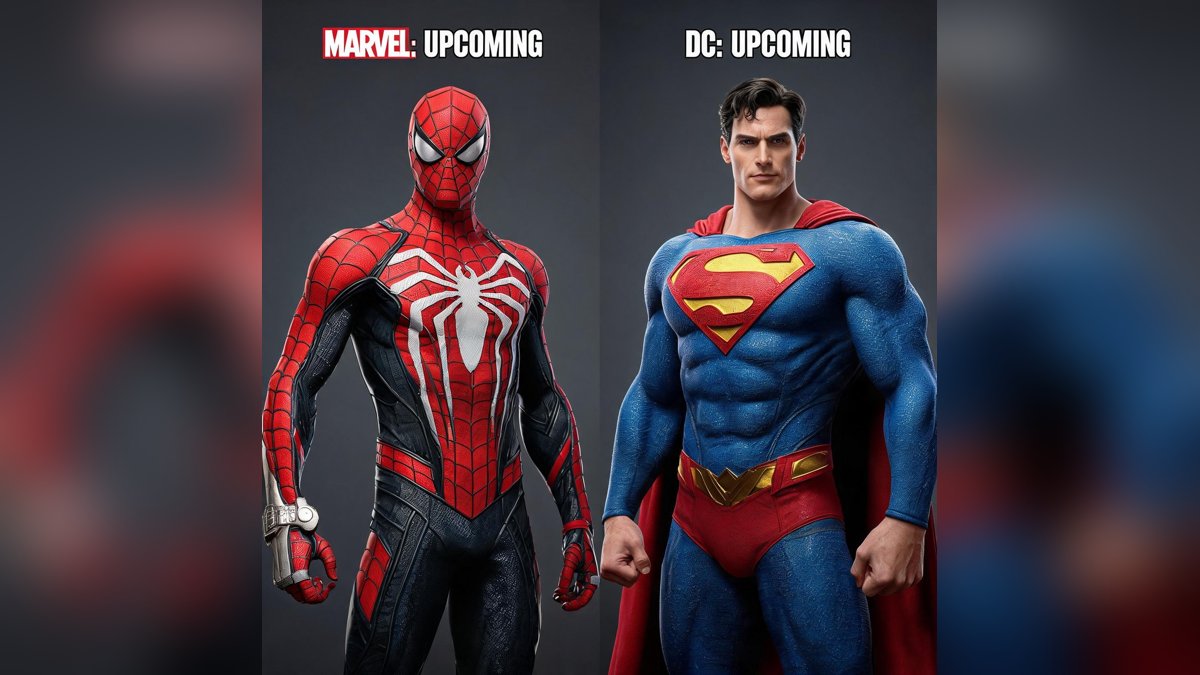
Between these tentpole releases, Phase 6 includes Blade starring Mahershala Ali, a film that has undergone multiple director changes and script rewrites. Armor Wars, a story centered on James Rhodes and Tony Stark's technology falling into wrong hands, is also in development. Spider-Man 4 is expected to follow Tom Holland's Peter Parker as he navigates life after the events of No Way Home, with focus shifting to street-level threats rather than multiversal stakes.
DC Chapter 1: Gods and Monsters
Under the leadership of James Gunn and Peter Safran, DC Studios launched a complete reboot of its cinematic universe in 2024. Chapter 1: Gods and Monsters represents a clean break from the previous DCEU, with new actors and a unified creative vision. The first phase includes five films and five television series, planned as an interconnected narrative with consistent tone and continuity across both theatrical and streaming releases.
Superman: Legacy, written and directed by James Gunn, releases in and introduces David Corenswet as Clark Kent and Rachel Brosnahan as Lois Lane. The film balances Superman's Kryptonian heritage with his Smallville upbringing and features a supporting cast including characters from The Authority and other DC corners. Unlike previous Superman films, Legacy establishes an already active superhero community, reflecting Gunn's desire to build a lived-in DC universe from the start.
The Batman Part II, directed by Matt Reeves, continues his standalone Batman saga separate from the main DCU. While not part of Chapter 1, Reeves's Batman universe exists as a separate elseworlds label under DC Studios' new structure. This allows Gunn and Safran to launch a new Batman for the DCU in The Brave and the Bold, featuring Batman and his son Damian Wayne as Robin, while Reeves continues his grounded detective story with Robert Pattinson.
DC's Expanded Slate: Beyond Superman and Batman
Beyond the flagship titles, DC Chapter 1 includes Supergirl: Woman of Tomorrow, adapting the acclaimed Tom King comic run. The film stars Milly Alcock as Kara Zor-El, presenting a more hardened and cosmic version of Supergirl than the traditional character. Swamp Thing, described as a horror film exploring the darker corners of the DC universe, will introduce the supernatural element of the new DCU. The Authority brings the morally ambiguous superhero team to the big screen, reflecting the modern comic sensibility that Gunn has brought to the studio.
Waller, a television series following Viola Davis's Amanda Waller, bridges the gap between the old DCEU and new DCU, explaining how certain characters carry over while others are recast. Creature Commandos, an adult animated series written by Gunn, introduces the DCU's first team and establishes the interconnected nature of the new universe before Superman: Legacy even releases. Paradise Lost, set on Themyscira, explores the political dynamics of Wonder Woman's homeland before Diana's birth.
Teen Titans, Lanterns (a Green Lantern series described as True Detective in space), and Booster Gold round out the announced Chapter 1 slate. The chapter is designed as a cohesive eight-to-ten year story arc, with each film and series feeding into a larger narrative. Gunn has emphasized that unlike Marvel's approach of announcing projects years in advance only to cancel or delay them, DC will only announce projects with finished scripts and confirmed directors.
: The Future of Superhero Cinema
Both Marvel and DC face fundamental questions about the sustainability of the superhero genre at the box office. Audience fatigue, a term debated among industry analysts, has shown some evidence in declining opening weekends for mid-tier superhero films. According to box office data from The Numbers, 2024 saw the lowest aggregate superhero box office since 2014, with only Deadpool and Wolverine crossing the billion-dollar mark. Sony's Spider-Man spin-offs continue to underperform, suggesting that audiences are becoming more selective about which superhero films they see in theaters.
Both studios are responding with strategic adjustments. Marvel is reducing its annual output and focusing on quality over quantity, with Disney CEO Bob Iger explicitly stating that the company reduced Marvel's output to address franchise fatigue. DC is taking a slower, more deliberate approach, launching only two films per year and building the universe through both theatrical and streaming releases. The studios are also diversifying genres within the superhero framework, with horror (Swamp Thing), political thriller (Captain America 4), cosmic adventure (Guardians 3), and family drama (Fantastic Four) expanding the range of superhero storytelling.
The future of the genre may also depend on technological innovation and theatrical exhibition trends. The success of Spider-Man: Across the Spider-Verse demonstrated that audiences crave fresh visual styles and innovative animation. Both studios are investing in diverse visual approaches, with Marvel exploring different director-driven aesthetics for individual films rather than the house style that characterized Phases 1 through 3. The evolution of streaming and the shortening theatrical window continue to reshape release strategies for both studios.
Frequently Asked Questions
What are the next Marvel Cinematic Universe movies?
Marvel Phase 5 and 6 include Fantastic Four, Thunderbolts, Blade, Avengers: The Kang Dynasty (), and Avengers: Secret Wars (). Release dates are subject to change.